First order: The class cannot run with the intended teacher
Uncontrolled availability makes the schedule ambiguous. The manager must either find cover, cancel, or publish a last-minute change.
Luma guide
By Rick
A practical operating guide for studio managers handling a multi-week instructor absence while protecting bookings, commitments, history and student trust.
Temporary instructor cover should be a dated exception: record the absence, identify affected sessions, find and confirm a substitute, update students, and return to the original instructor afterwards. This protects bookings, teaching records and student expectations without replacing the instructor for the whole term.
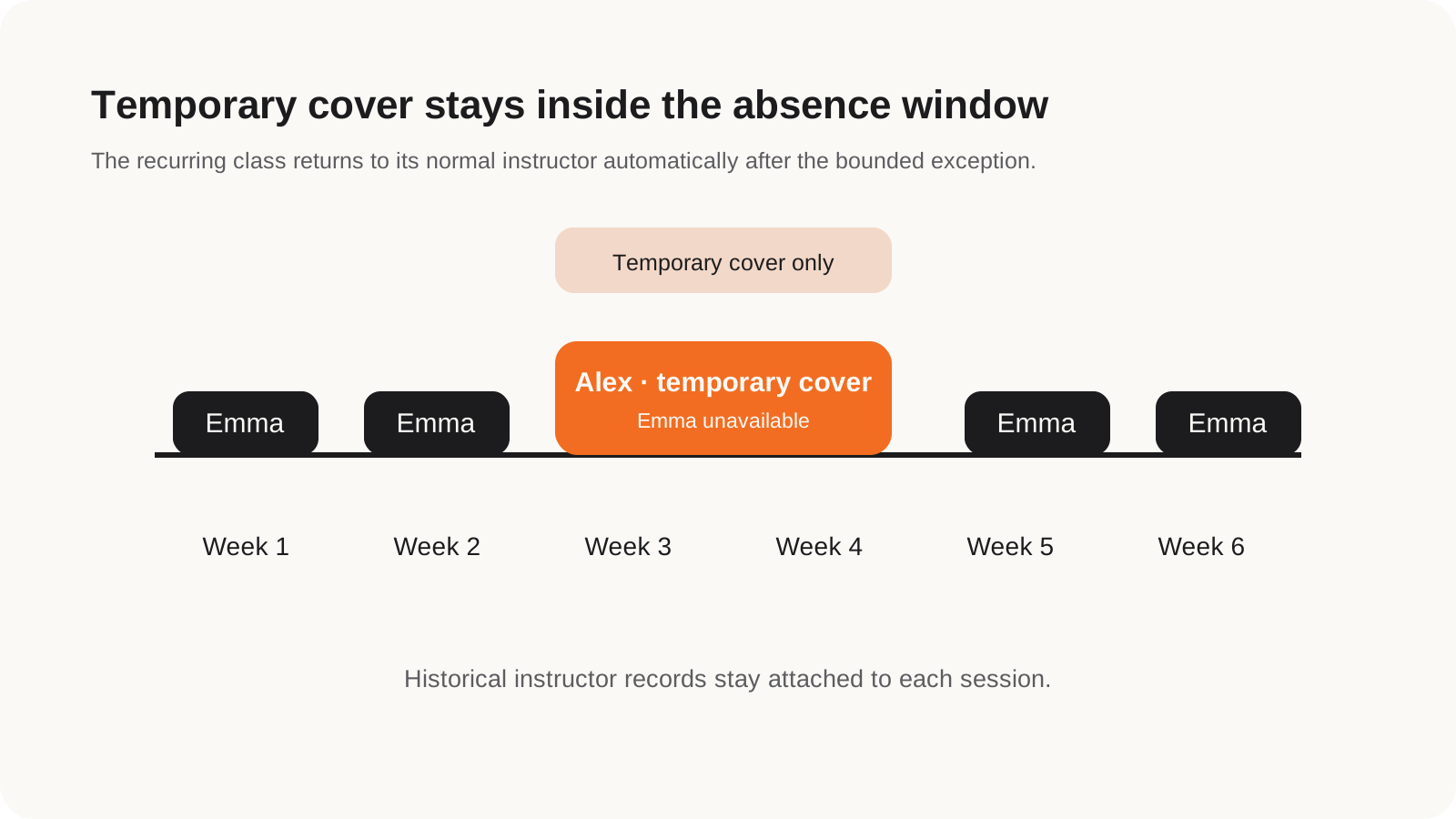
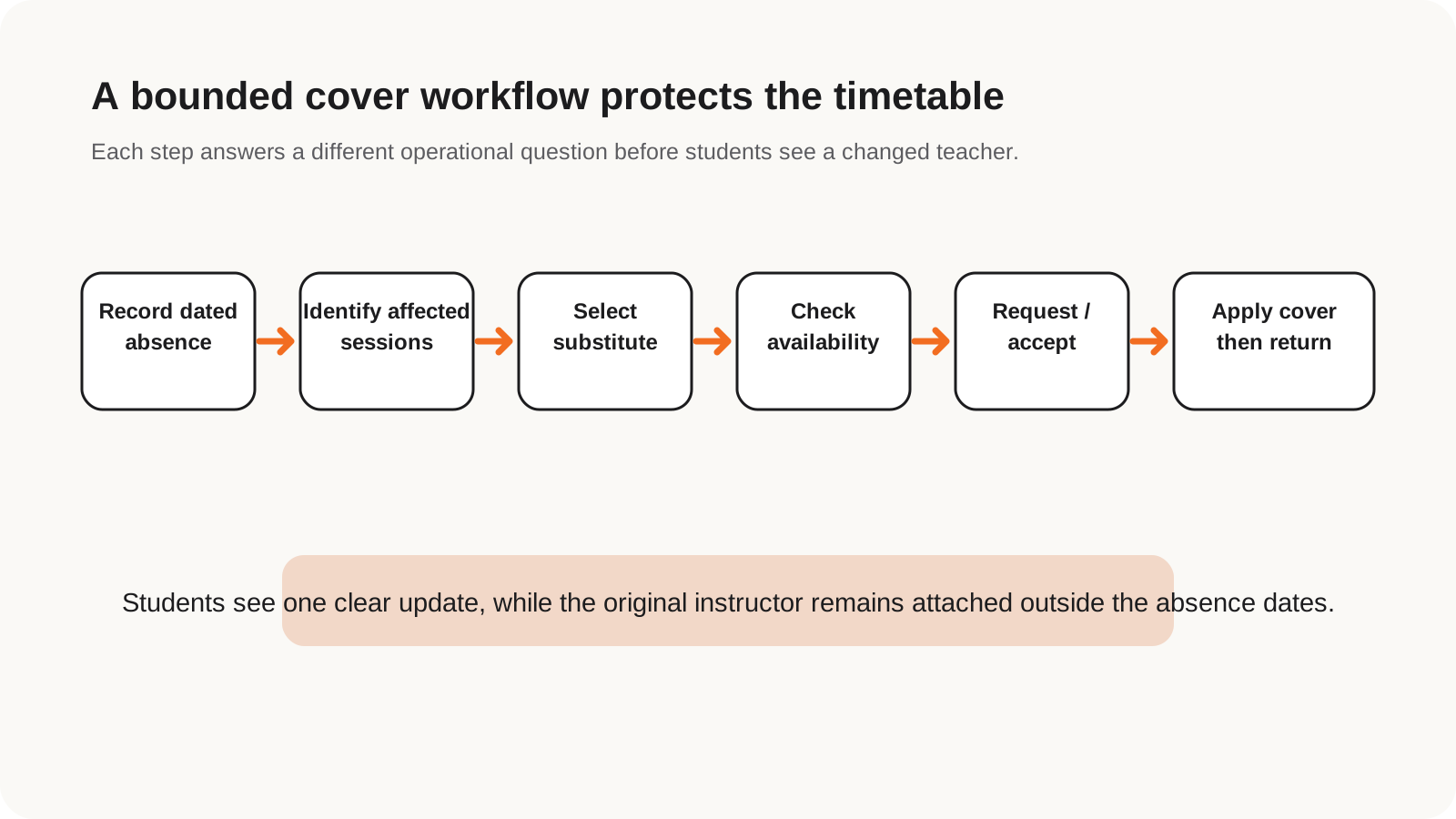
Emma is unavailable for weeks 3–4 of a Monday class. The manager records those dates, sees the two affected sessions, selects Alex, checks Alex’s availability and the room, sends the request, waits for acceptance, updates the affected booking records and tells students. Emma remains the instructor before and after the absence.
Uncontrolled availability makes the schedule ambiguous. The manager must either find cover, cancel, or publish a last-minute change.
Students may have chosen the class because of the original instructor. An unexpected substitution changes what they believed they were booking.
Two affected classes in a term can be enough to create a perception problem. Students may stop booking, downgrade trust or recommend another class instead.
| Cover capability | Luma | Other options to verify |
|---|---|---|
| Dated absence window | ✓ | ✕ |
| Cover only affected sessions | ✓ | ✕ |
| Availability and room checks | ✓ | ✕ |
| Request and acceptance before live change | ✓ | ✕ |
| Automatic return to the original instructor | ✓ | ✕ |
| Historical instructor per session | ✓ | ✕ |
Record the start and end dates, affected recurring classes, reason or note where appropriate, and whether the manager should find cover or cancel the sessions.
That is the safer operating model. Cover should attach to the affected sessions and leave the normal instructor unchanged before and after the absence.
A manager should be able to request cover, check availability and wait for acceptance before the changed teacher becomes live to students.
Students should see a clear, dated update for the affected class, with the replacement teacher and any booking or cancellation implications explained before the session.
Students build expectations around a class and instructor. Repeated changes can make the class feel unreliable, reduce confidence and shift bookings to another option.
The system should retain the actual instructor for each delivered session so payroll, attendance and historical reporting do not get rewritten when temporary cover is used.